
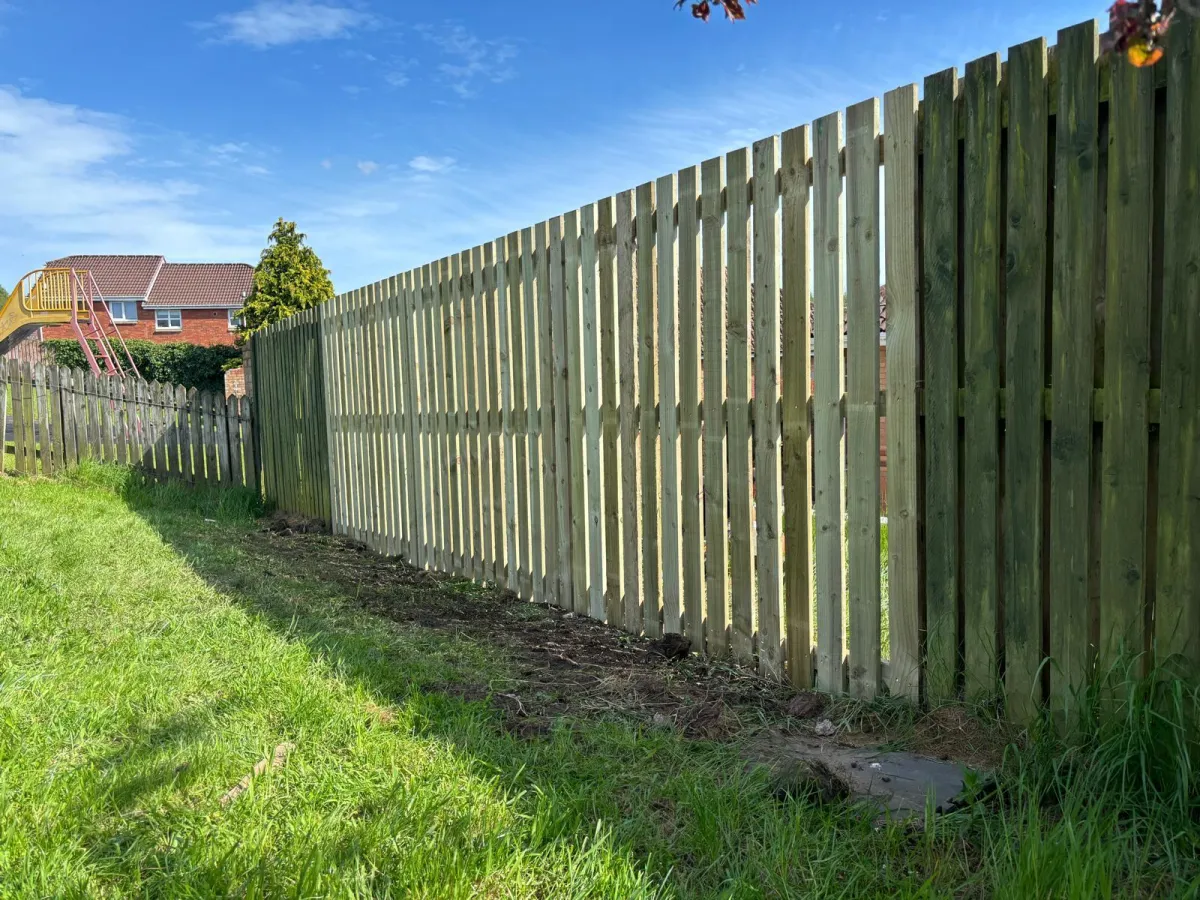
How Much Does Fence Installation Cost? A Homeowner's Guide
Planning to install a new fence but not sure what to budget? You are not alone. Fence installation cost is one of the most common questions we receive at MCS Fencing, and the honest answer is: it depends. This guide walks you through every factor that influences the final price, typical costs by fence type, and what you can expect from a professional quote.
Why Fence Costs Vary So Much
Fencing prices in the UK can range from as little as £80 per panel to well over £300, and that is before labour. The wide range exists because no two fencing projects are the same. The length of your boundary, the type of ground, the materials you choose, and even the time of year can all push the price up or down.
Here are the main factors that influence what you will pay:
Fence type and material (timber, metal, composite, or vinyl)
Total length of fencing required
Ground conditions (flat lawn, sloped terrain, roots, or concrete)
Post type (concrete, timber, or metal)
Removal of existing fencing
Access to your property
Gates or additional features
Does Ground Type Affect the Price?
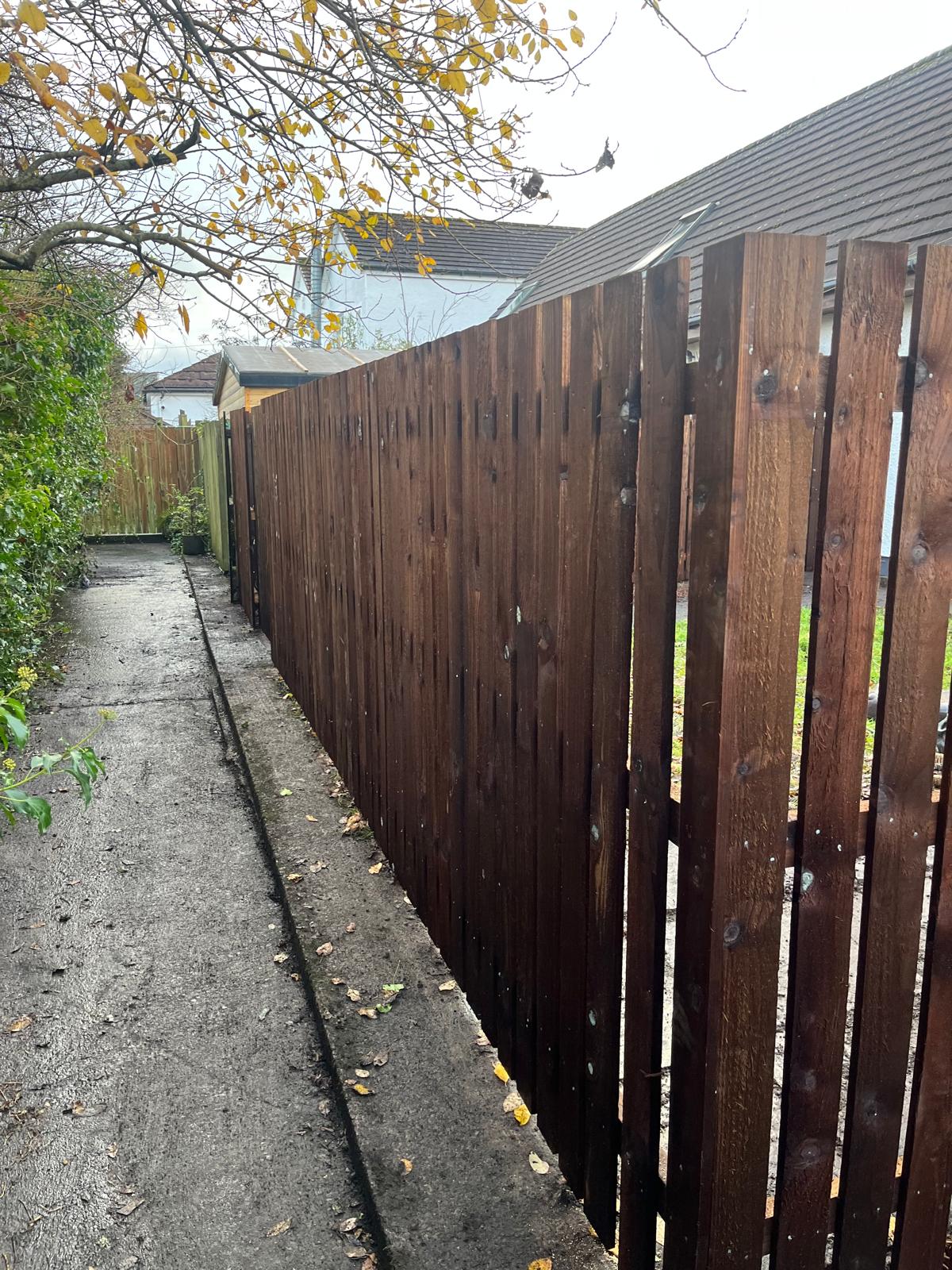
Yes, significantly. Installing fence posts into standard soil is straightforward. However, if your ground is heavily stony, has clay content, tree roots, or existing concrete bases that need breaking out, you should expect additional costs for groundwork. Sloped or uneven terrain also requires more skill and time to achieve a clean, level result.
If your garden is on a slope, your installer may recommend:
Stepped panels (a staircase effect following the slope)
Raked or tapered panels (panels that follow the gradient of the land)
Both approaches have different cost implications, so it is worth discussing with your fencing contractor before committing to a style.
Should You Choose Pressure-Treated Timber?
If you are going with a timber fence, always opt for pressure-treated wood. It may cost slightly more upfront, but pressure-treated timber resists rot and insect damage far better than untreated wood. You can expect it to last 15-25 years with minimal maintenance, compared to 5-10 years for untreated timber.
At MCS Fencing, all our standard timber installations use pressure-treated posts and panels as a baseline. This protects your investment and reduces the likelihood of costly repairs down the line.
What About Gates?
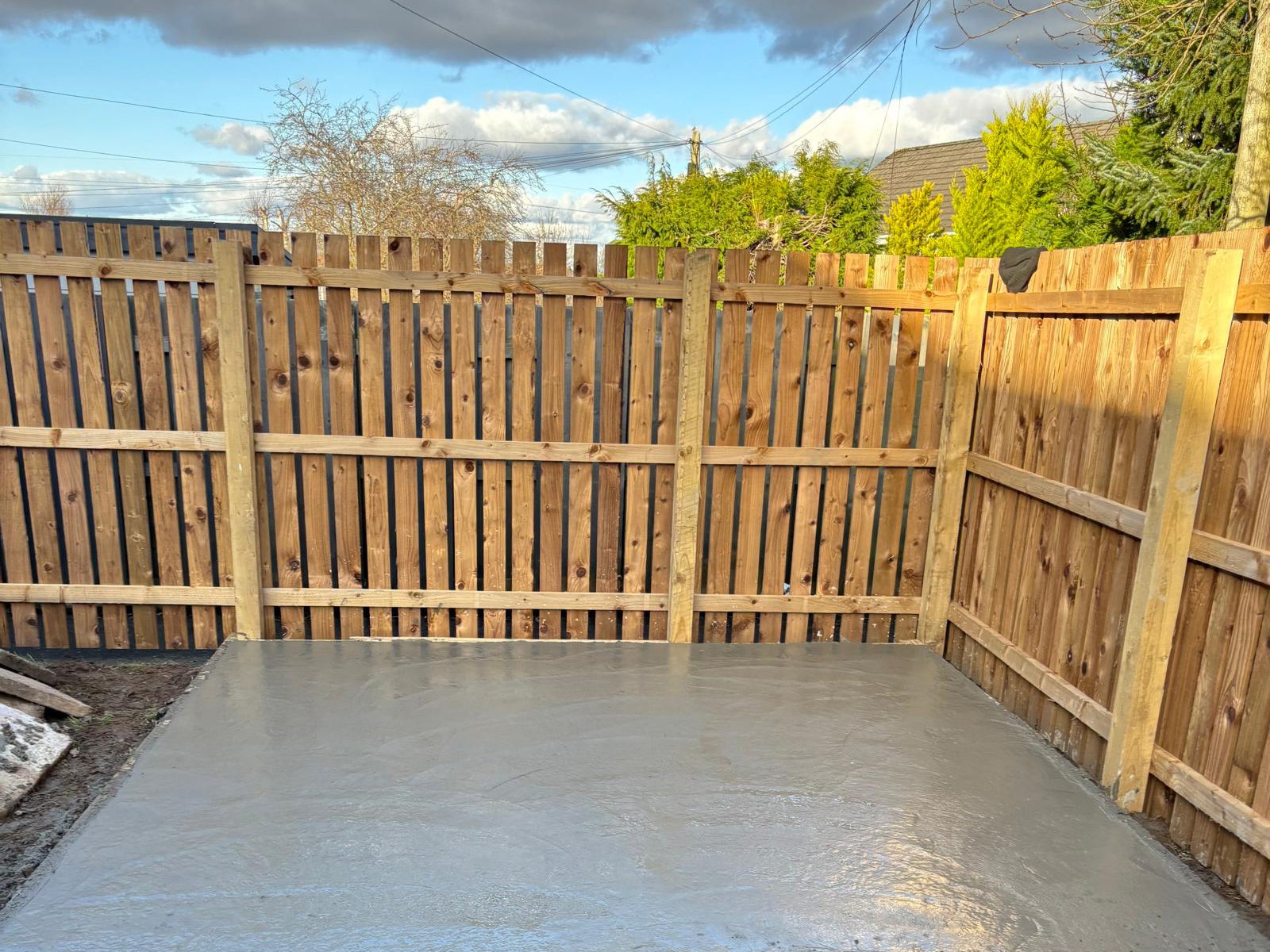
Gates are often quoted separately.
If you need a gate as part of your fencing project, mention it early in the quoting process so the installer can plan the post positions and hardware accordingly.
A well-fitted gate completes your boundary and adds both security and kerb appeal.
Does Removing Old Fencing Add to the Cost?
Yes, in most cases. Removing old fencing panels, posts, and concrete spurs takes time, and disposal comes at a cost too. Most installers will charge for removal and disposal, depending on the amount of material and whether it needs to go to a skip or licensed tip.
If you are on a tight budget, removing the old fencing yourself in advance can reduce your overall quote. However, be careful around concrete post bases, as improper removal can disturb the ground and make new post installation more complicated.
How to Get an Accurate Quote
The best way to get an accurate price is to have a professional visit your property. During a site visit, a fencing specialist can assess the ground conditions, measure accurately, advise on the most suitable fence type for your situation, and give you a written, itemised quote.
Be cautious of quotes given over the phone or online without a site visit. While useful for budgeting purposes, they can vary significantly from the final cost once the installer actually sees your garden.
When comparing quotes, look for:
Clear itemisation of materials and labour
Specification of timber treatment (pressure-treated as standard)
Confirmation of post type and depth
Warranty or guarantee on workmanship
Evidence of insurance and accreditations
Frequently Asked Questions
How long does fence installation take?
For a typical residential garden (20-30 metres of fencing), most professional teams complete the job within one to two days. Larger or more complex projects may take three to four days.
Do I need planning permission for a fence?
In most cases, no. In England and Wales, you can erect a fence up to 2 metres high at the rear of your property without planning permission. Front garden fences are limited to 1 metre. Always check with your local planning authority if you are unsure, especially in conservation areas or on listed properties.
Who is responsible for my boundary fence?
Boundary responsibility is usually shown on your property's title deeds. The "T" mark on a boundary indicates the party responsible for that fence. If you are unsure, your solicitor or the Land Registry can help clarify ownership.
How often does a timber fence need treating?
Pressure-treated timber benefits from a coat of fence treatment or preservative every two to three years. This extends the life of the wood and maintains its appearance. Composite and metal fences require significantly less maintenance.
Can fencing be installed in winter?
Yes. Our team works year-round. Ground conditions in winter can make post installation slightly more challenging if the ground is frozen or waterlogged, but we will advise you honestly if conditions are unsuitable on a given day.
Ready to Get a Quote for Your Fencing Project?
MCS Fencing serves homeowners across the region with professional, fully guaranteed fence installation. Whether you need a simple garden boundary or a complete fencing solution with gates, we are here to help.